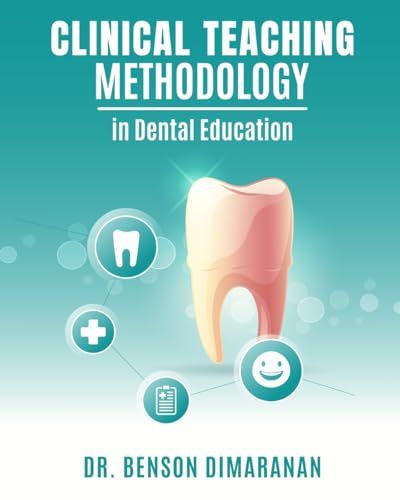
Clinical teaching methodology plays a vital role in dental education as it aims to bridge the gap between theoretical knowledge and practical application in real clinical settings. It involves the systematic and deliberate use of various teaching strategies and techniques to enhance learners' clinical skills, critical thinking abilities, and decision-making capabilities. By engaging learners in authentic patient care experiences, clinical teaching methodology facilitates the development of competent and confident healthcare professionals.The primary purpose of clinical teaching is to enable learners, such as dental students, residents, and other healthcare professionals, to acquire essential clinical competencies and effectively apply them in their future practice. It goes beyond the traditional classroom lectures and textbooks, providing learners with hands-on experiences and opportunities for direct patient interaction. By immersing learners in authentic clinical scenarios, clinical teaching methodology encourages active learning, reflection, and problem-solving.Implementing clinical teaching methodology offers several benefits. Firstly, it helps learners develop essential clinical skills, such as history-taking, physical examination, diagnostic reasoning, and therapeutic interventions, through supervised practice and feedback. Secondly, it fosters the development of critical thinking and clinical reasoning abilities by exposing learners to complex and diverse patient cases. Thirdly, it promotes teamwork, communication skills, and professionalism as learners collaborate with other healthcare professionals and interact with patients and their families.